Engineered Wood Flooring · SL1–SL3Engineered Wood Flooring in
Engineered Wood Flooring in
Slough.
Free home visit · Fixed price · Uplift & disposal included
Free home visit · Fixed price · Uplift & disposal included
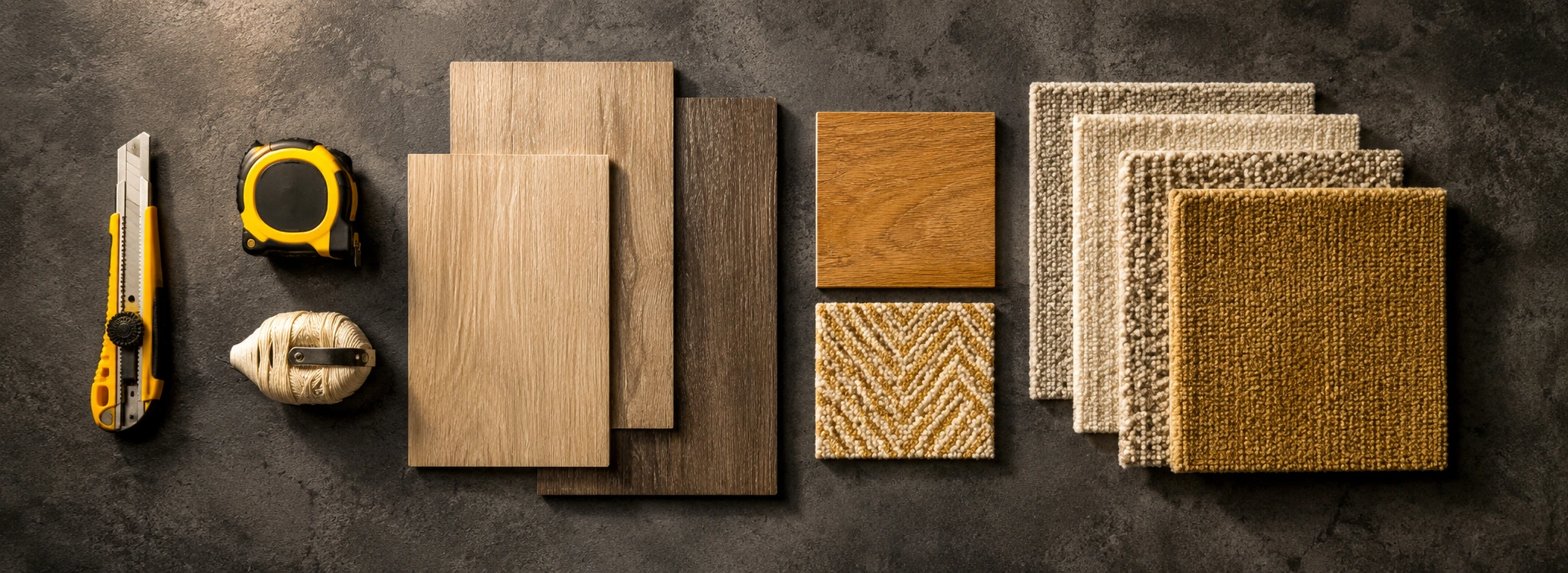
Floors & Fix fits engineered wood across Slough and all SL postcodes. The 1930s semis in Langley and Colnbrook with their suspended timber ground floors are ideal for secret-nailed engineered oak. On post-war concrete ground floors in Chalvey and Britwell, glue-down installation is used once moisture is confirmed within tolerance.
Slough's housing stock is dominated by post-war and 1960s–70s concrete-floor construction in Chalvey, Britwell and the Langley corridor, where elevated ground moisture is a routine finding. The 1930s semis around Langley and Colnbrook introduce suspended timber ground floors to the mix. An ongoing town-centre regeneration has added new-build apartments with underfloor heating across SL1.
71% of Slough's residential properties were built before 1980, with a large proportion of post-war local-authority construction carrying solid concrete ground floors with elevated moisture readings. — ONS Census 2021, housing stock age, Slough local authority
Engineered wood suits the 1930s semis in Langley and Colnbrook particularly well — suspended timber ground floors, once ply-rafted, provide the ideal base for secret-nailed engineered oak. A 140–160mm European oak board in an oiled finish sits proportionately in these rooms without looking out of place. On the post-war concrete ground floors in Chalvey, Britwell and Cippenham, engineered wood can be glued down once moisture is confirmed within tolerance (≤75% RH). If moisture is elevated, LVT is the safer product. The SL1 regeneration new builds with wet UFH take glue-down engineered wood rated for surface temperatures up to 27°C.
Council-built terraces and semis across Chalvey, Britwell and the Langley Road corridor were constructed through the 1950s and 60s with solid concrete ground floors. Early DPCs are frequently degraded and moisture readings on ground floors are often elevated — moisture assessment before any installation is standard practice on these properties.
Engineered wood has a real timber wear layer that responds to moisture — on persistently damp concrete it will cup, swell, and lose adhesion over time. Moisture must be within ≤75% RH before we will specify any wood product. We test at the home visit and advise honestly: where moisture is persistently elevated, LVT delivers a comparable visual result without the risk. We will not fit engineered wood on a subfloor that will damage it.
The Langley and Colnbrook semis built in the 1930s have suspended timber ground floors — less common across Slough than in surrounding Berkshire towns. These properties benefit from ply preparation before LVT or laminate, and felt underlay under carpet where breathability is important for the floor structure.
Secret-nailing engineered wood onto a ply-rafted suspended timber floor is the classic installation method for period properties — it looks and feels exactly as the original builder intended. We ply-raft first to remove joist-span flex, then secret-nail through the tongue of each board into the ply, producing a solid, creak-free floor that moves with the building rather than fighting it. Ply preparation and secret-nail fitting are both included in your fixed price.
The Cippenham estates and parts of Burnham built in the 1960s and 70s are almost entirely solid concrete throughout. Moisture levels vary — some properties have had DPC injections over the years; others have not. We test at every home visit and include any preparation in the fixed price.
Engineered wood has a real timber wear layer that responds to moisture — on persistently damp concrete it will cup, swell, and lose adhesion over time. Moisture must be within ≤75% RH before we will specify any wood product. We test at the home visit and advise honestly: where moisture is persistently elevated, LVT delivers a comparable visual result without the risk. We will not fit engineered wood on a subfloor that will damage it.
New-build apartments and houses delivered through Slough's town-centre regeneration programme — particularly around the High Street and Bath Road corridors — have liquid-screed floors with wet underfloor heating. Product and installation method must be selected for continuous heat cycle compatibility.
Engineered wood over underfloor heating requires glue-down installation — floating is not recommended as thermal cycling can cause floating boards to bow. Surface temperature must not exceed 27°C and the adhesive must be UFH-compatible (a flexible, heat-stable formulation). We only specify boards that are manufacturer-approved for UFH use, and UFH compatibility is confirmed in writing on every quote so you, your heating engineer, and the product warranty are all aligned.
Yes — the suspended timber ground floor is an ideal base for secret-nailed engineered oak. We ply-raft first to create a flat, nail-ready surface, then secret-nail through the ply at each joist crossing for a solid, creak-free result.
A 140–160mm board is proportionate in 1930s and 60s Slough properties — not too narrow to look thin, not wide enough to overpower the rooms. We bring samples so you can see the options in your own home.
Yes, provided moisture is within tolerance. We test at the home visit — if the concrete is dry, glue-down engineered wood works well and gives a very solid feel underfoot. If damp is elevated, LVT is the safer recommendation.
Yes — engineered wood handles kitchens well, provided the board has a minimum 4mm wear layer and an oiled finish (easier to re-treat without sanding). We confirm suitability at the home visit based on your kitchen layout.
Engineered wood is typically 40–70% more expensive than comparable laminate, reflecting the real wood top layer and longer lifespan. It's refinishable, lasts longer and adds more value to the property. We quote both at the home visit.
We come to you with samples, measure up and give you a fixed price on the day. No obligation, no deposit. See our engineered wood flooring service or all flooring options in Slough.
Last updated: May 2026